Catégories
Nouveaux produits
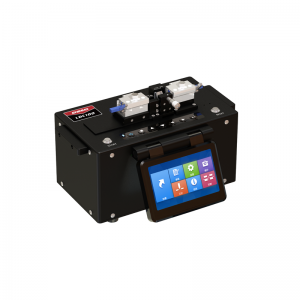
Cliveuse à fibre optique grand diamètre LDC-100 * Applicable aux fibres de gaine de diamètre 80μm ~ 600μm *Pompe à vide rainure en V pratique pour mettre la fibre *Lame durable, durée de vie plus de 20 000 fois *Stockage de données 4000 groupes * Menu GUI convivial, facile à utiliser plus

Épissureur de fusion de fibres multicœur S-22 La première épisseuse de fusion de fibres multicœur entièrement automatique en Chine _ _ plus
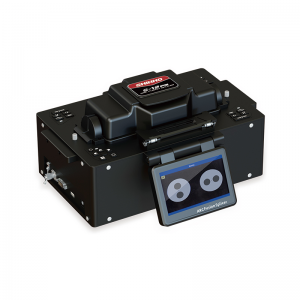
À Maintien de polarisation (PM) en Fibre de Fusion Dérouleur S-12 * Un cœur à l'alignement, à faible perte d'épissage * Endview et le Profil de l'observation et de l'alignement * Arc de calibrage automatique et de l'épissage * PM fibre de 45 et 90 degré d'alignement plus
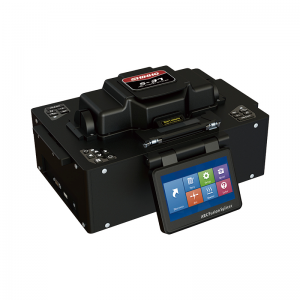
S-37 LDF Épisseur de fusion de fibres spécialisé SHINHO S-37 est le dernier modèle que nous avons développé, il peut épisser un diamètre de gaine de fibre de 125 à 400 μm avec une faible perte d'épissure. Nous avons équipé la machine de 3 porte-fibres différents et de 2 paires d'électrodes de rechange. plus

Épisseuse par fusion de fibres à alignement noyau à noyau x 900 épisseuse par fusion à six moteurs, véritable technologie d'alignement noyau à noyau. Épissure 6 s, chauffage 16 s, identifie automatiquement les types de fibres. utilisé pour les projets wan / man / telecommunication. plus
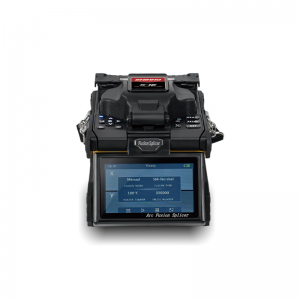
Soudeuse a l'arc multifonction robuste s16 conception industrielle robuste, anti-choc, anti-poussière et imperméable. support multifonctions pour fibres nues, cordons de brassage, câbles de dérivation, etc. épissage et chauffage rapides, étalonnage automatique de l'arc. plus
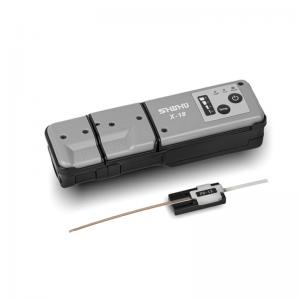
SHINHO X-18 Décapant thermique en fibre de ruban Le dénudeur thermique Shinho X-18 est un dénudeur thermique portatif nouvellement développé, spécialement conçu pour le dénudage thermique non destructif de la gaine du câble plat jusqu'à 12 fibres. Un bon outil fiable pour les travaux d'épissage de fibres à ruban. plus
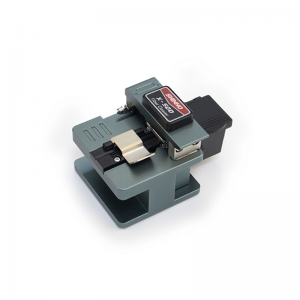
Couperet à fibre optique de haute précision X-50D Petite taille et poids léger, facile à utiliser. Haute précision et performances stables. Plus de 48 000 durée de vie de la lame, longueur de fibre clivée 5 ~ 20 mm. Matériel de haute qualité plus
Centres de données et fibre optique à l'ère de l'IA : l'épine dorsale du futur
À l'ère des progrès fulgurants de l'intelligence artificielle (IA), les centres de données sont devenus l'infrastructure essentielle de l'économie numérique mondiale. De l'entraînement de modèles complexes à l'inférence en temps réel, des volumes massifs de données doivent être traités et transmis à grande vitesse, ce qui repose fortement sur des réseaux à haute performance.
Les centres de données ne sont pas seulement des plateformes de calcul, mais aussi des nœuds essentiels pour l'agrégation et la distribution des données. Avec l'essor des applications d'IA, le trafic est-ouest (communication entre serveurs) a considérablement augmenté, engendrant des exigences sans précédent en matière de bande passante et de latence.
Parmi toutes les technologies de transmission, la fibre optique s'est imposée. Comparée aux câbles en cuivre traditionnels, elle offre une bande passante plus élevée, une latence plus faible et une meilleure efficacité énergétique, prenant en charge des transmissions à haut débit de 100 Gbit/s à 400 Gbit/s, voire 800 Gbit/s. Elle constitue un élément clé de l'évolution des infrastructures d'intelligence artificielle.
De plus, la fibre optique influe directement sur l'efficacité des centres de données. Des connexions fibre de haute qualité réduisent les pertes de signal et améliorent la stabilité du système, optimisant ainsi l'utilisation des ressources de calcul. La fibre optique devient donc non seulement un support de transmission, mais aussi un facteur essentiel des performances de l'IA.
Avec l'expansion continue des centres de données, les architectures réseau évoluent également, passant des modèles traditionnels à trois niveaux à des modèles plus efficaces et évolutifs tels que l'architecture Leaf-Spine. Cette évolution renforce la dépendance aux interconnexions optiques à haut débit, rendant la fibre optique encore plus indispensable.
Par ailleurs, la commercialisation des modules optiques 800G et plus rapides impose des exigences plus strictes en matière de performances des liaisons fibre optique, notamment une réduction des pertes d'insertion, une connectivité plus stable et une plus grande précision dans la manipulation des fibres. Cette tendance pousse l'ensemble du secteur des communications optiques vers des normes plus élevées.
À l'ère de l'IA :
Les centres de données sont le « cerveau », tandis que la fibre optique joue le rôle du « système nerveux ».
Ensemble, ils constituent le socle qui alimente l'avenir intelligent.
À mesure que cet écosystème évolue, la qualité de la connectivité des fibres et des procédés d'épissure devient de plus en plus cruciale. L'épissure par fusion de haute précision et à faibles pertes joue un rôle essentiel pour garantir la performance et la stabilité des réseaux optiques modernes.
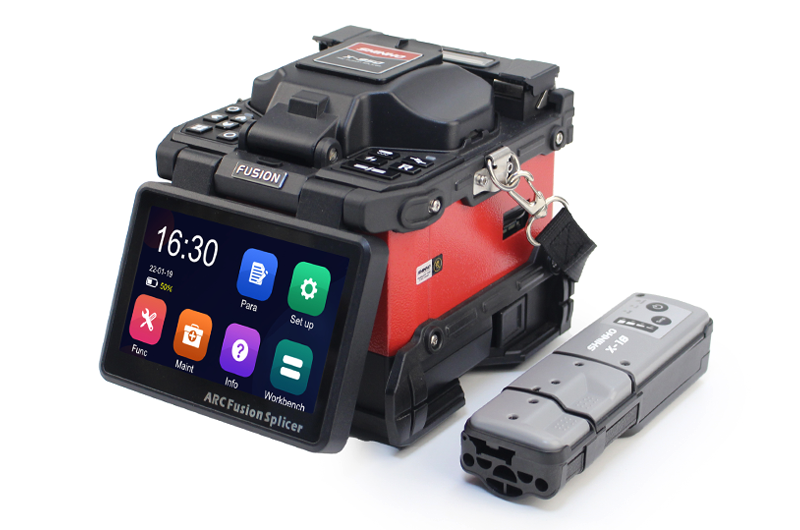
Le Shinho X950
soudeuse à fusion de fibres ruban
Compatible avec les fibres optiques à ruban de 2 à 16 cœurs, ce câble offre, grâce à ses pertes d'épissure ultra-faibles et à ses performances exceptionnelles, une solution fiable pour les réseaux optiques haute densité, contribuant ainsi au développement continu de l'IA et des centres de données.

Bienvenue à vous inscrire à la newsletter si vous avez un intérêt quelconque pour nos produits, nous vous tiendrons au courant de nos actualités, informations sur nos produits et promotions le cas échéant.
© Droit d\'auteur: SHINHO OPTICS LIMITED Tous droits réservés.


 français
 English
 русский
 italiano
 español
 português
 العربية
 ไทย
ไทย हिन्दी
 Indonesia
 中文
中文